In one recent case study, we retrofitted a MOVO mobile racking system to extend its lifecycle and improve operational performance. Careful planning allowed the project to be delivered alongside live warehouse activity, helping reduce disruption while keeping the business moving – you can read more here.
The key is to phase the work carefully, communicate clearly, and make sure every decision supports both day-to-day operations and long-term improvements.
Why continuity matters

Maintaining operations during a retrofit is vital. Downtime disrupts fulfilment, customer satisfaction, and revenue. It also puts pressure on staff when stock access or processes are hindered.
A well-managed retrofit improves the warehouse without unnecessary interruption. Find vulnerable operations and implement controls in advance. Careful continuity planning minimises disruption and keeps service.
To get started, you should:
- Conduct an initial review of current operations and workflows.
- Identify key stakeholders and assemble a project team.
- Define the primary goals for the retrofit.
- Set a realistic project timeline based on operational needs.
- Assess risks and develop preliminary strategies to limit disruption.
Taking these first steps will provide a clear foundation and increase confidence throughout the planning process.
Start with a phased plan
The best way to keep a warehouse running during a retrofit is to divide the project into stages. Instead of closing the site, split the work into zones so only part of the warehouse is affected at a time.
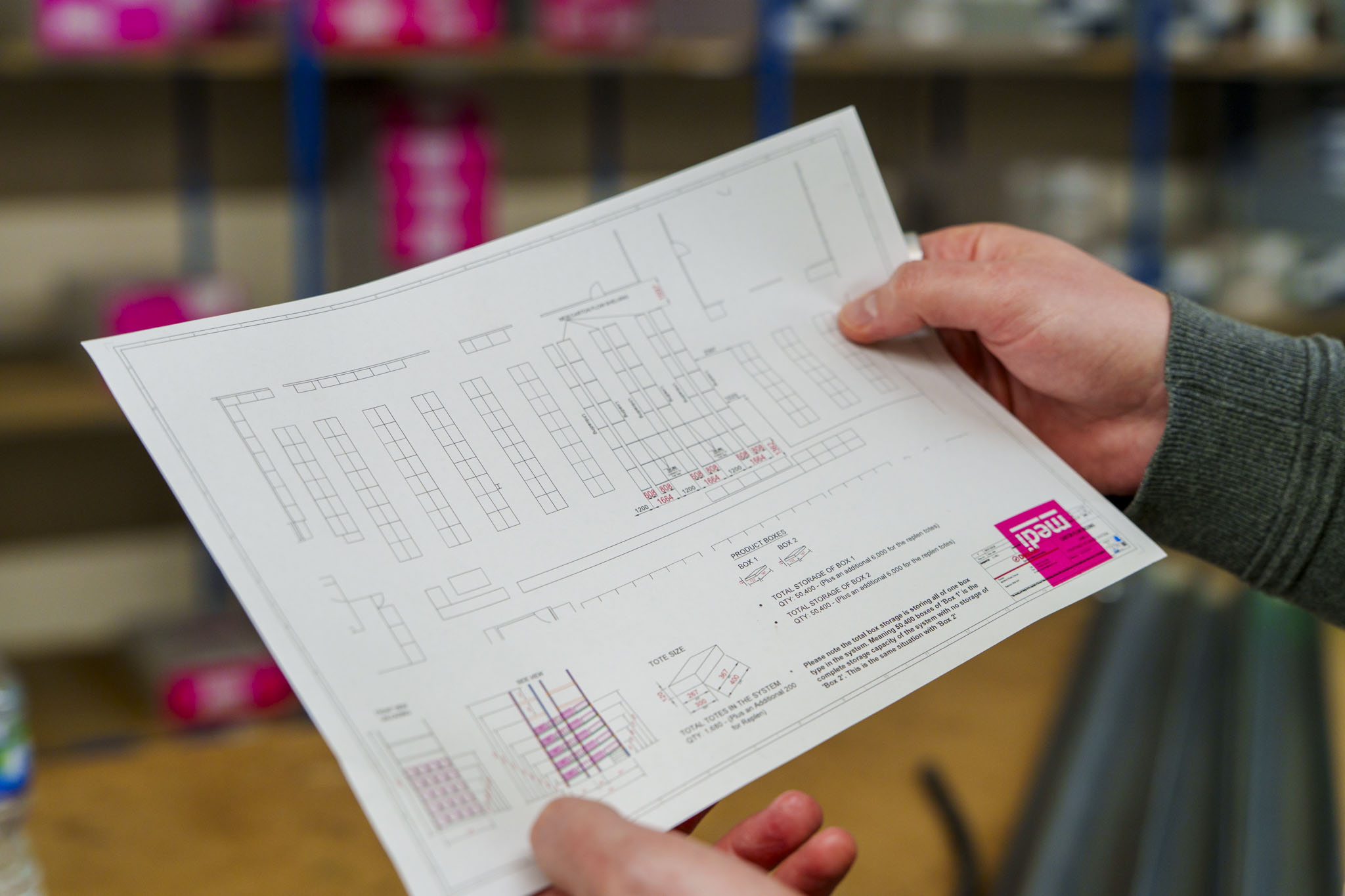 This approach can help you:
- Keep stock moving in unaffected areas.
- Maintain picking and dispatch activity.
- Reduce the need for temporary relocation.
- Lower the risk of widespread operational delays.
Phased work allows for schedule adjustments in the event of unexpected issues. If one section overruns, the rest of the operation can often continue while it is resolved. To manage overruns more effectively, consider reallocating staff from completed or less-affected zones to address delays, or adjust shift patterns to increase available labour during critical periods. Having these tactics ready prepares managers to respond quickly and keeps disruption to a minimum.
Map the live operation first
Before retrofitting, understand daily warehouse functions. Map where stock arrives, is stored, picked, packed, and dispatched, and how staff and equipment move through the space.
This helps you identify the following:
- Critical workflow areas: These are the zones that cannot be blocked or heavily restricted without affecting service.
- High-traffic routes: Aisles, loading areas, and access points need special attention to remain safe and usable during work.
- Temporary opportunities: Some processes may be moved, shared, or adjusted temporarily to create space for the retrofit.
By mapping live operations, you can plan retrofits around actual activity rather than theoretical layouts.
Protect stock access
Maintaining stock access is a major challenge in retrofitting. If products are hard to reach, productivity drops and picking errors rise.
To avoid this, make sure the retrofit plan includes:
- Clear access to fast-moving inventory.
- Temporary storage for displaced stock.
- A revised slotting plan, if required.
- Good labelling and stock control throughout the project.
Review inventory before starting. Keep fast-moving items easily accessible; relocate slower-moving stock temporarily as needed.
 Keep communication clear
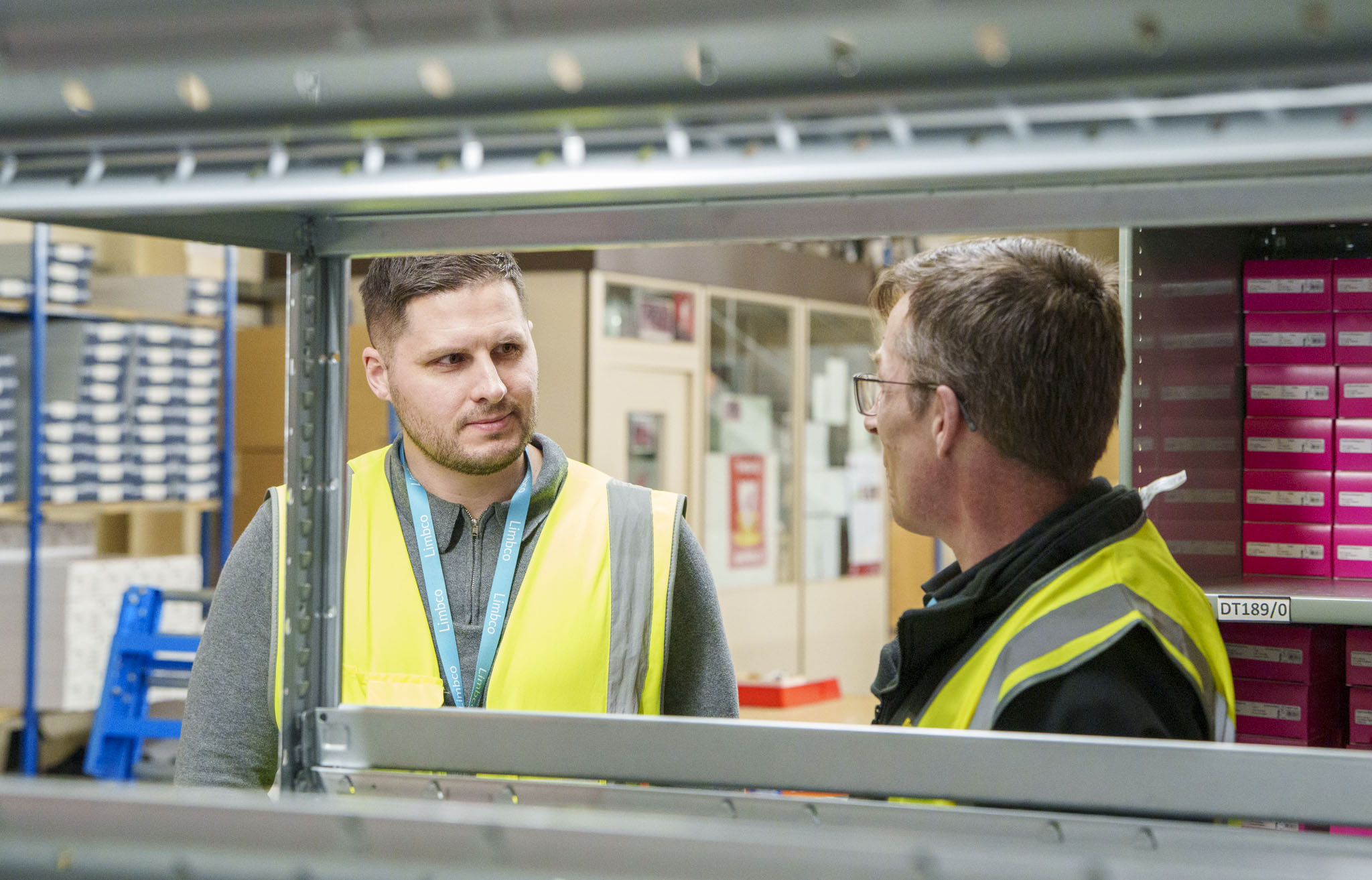
A warehouse retrofit affects more than the project team. Staff, supervisors, contractors, and sometimes customers or suppliers all need to know what is happening and when. Use communication tools such as daily huddles, team briefing sheets, or digital messaging platforms (like Slack or Microsoft Teams) to keep everyone up to date quickly and consistently. Project noticeboards and scheduled email updates can also ensure key information is visible and easy to reference.
Clear communication helps prevent confusion and reduces the chance of mistakes. Everyone involved should know:
- Which areas are affected?
- What changes are happening each day or week?
- How will stock movement be handled?
- Who to speak to if an issue arises.
Daily briefings or quick shift handovers help during live work. Predictable updates make adaptation easier for teams.
Focus on safety at all times
Safety must remain a priority throughout the retrofit. A live warehouse already has moving vehicles, people, and stock, so any added work requires tighter control.
Key safety measures may include:
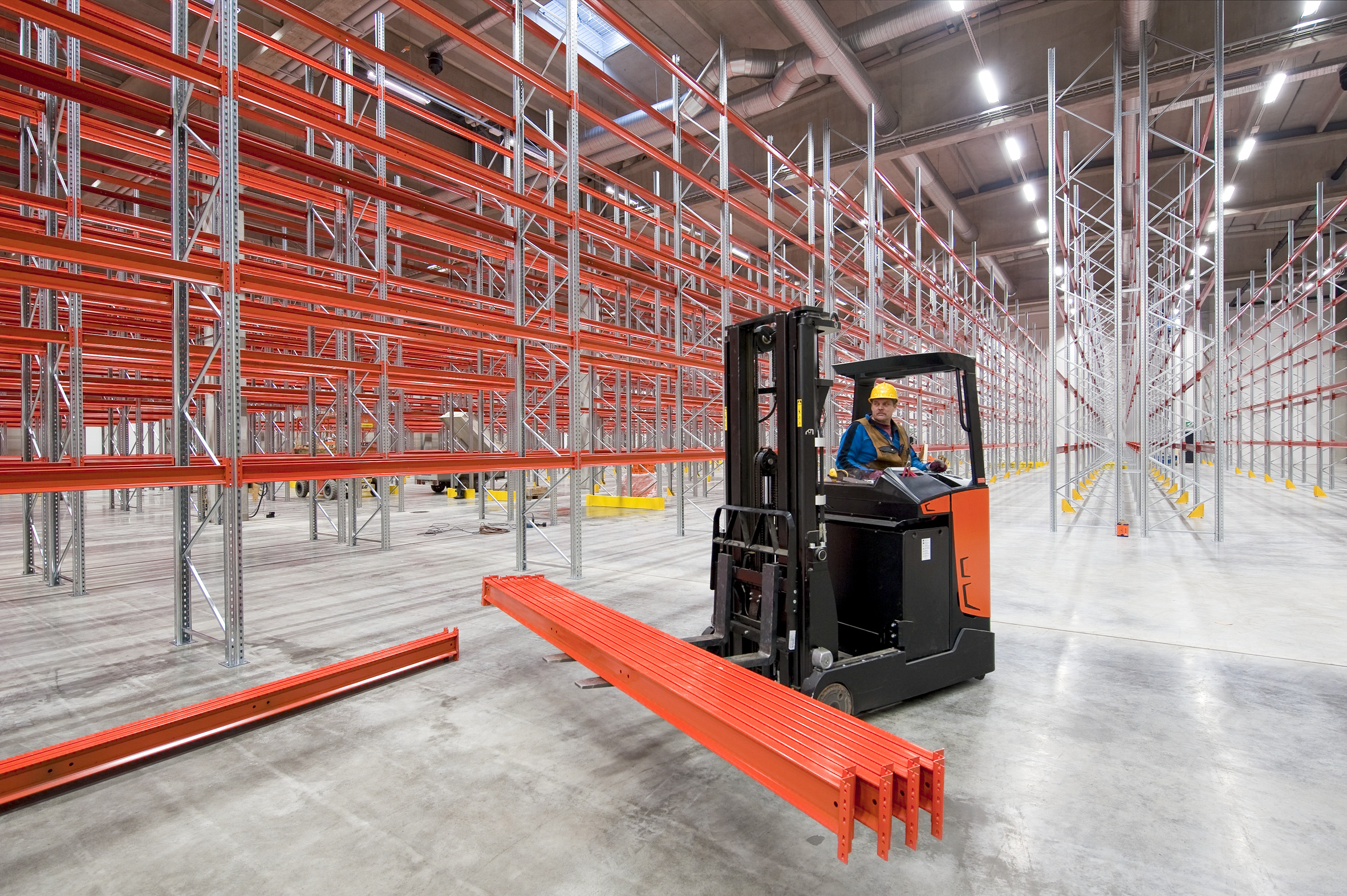
- Temporary barriers and signage: This helps separate active work zones from normal warehouse
traffic.
- Revised pedestrian and vehicle routes: If the layout changes during the retrofit, routes should be updated clearly and communicated to all staff.
- Contractor coordination: External teams must understand site rules, access restrictions, and working hours.
- Ongoing risk assessments: Conditions can change quickly during a retrofit, so safety checks should be reviewed regularly.
A safe site is essential for keeping the project on schedule and avoiding unnecessary disruption.
Schedule work around peak periods
Schedule retrofit work during quieter trading periods. If your warehouse has seasonal peaks or fixed deadlines, factor them into the schedule.
Even a well-planned retrofit can disrupt operations if it coincides with a busy period. By timing intrusive work precisely, you can ease team pressure and maintain steady service levels.
If work must run during busy times, minimise disruptive tasks to short periods, such as evenings, weekends, or slow shifts.
Build in flexibility
No retrofit goes exactly to plan. Unexpected site issues, stock moves, supplier delays, or priority changes can disrupt schedules. That is why building in realistic contingencies is vital. It is important to incorporate buffer time into each phase of your project schedule. This accounts for unexpected delays and ensures unforeseen issues do not delay the overall completion date. Maintaining a reserve of key materials or having backup contractors available can also help you respond quickly if the schedule slips.
That is why flexibility matters. A strong retrofit plan should include:
- Contingency time.
- Alternative storage arrangements.
- A fallback sequence for the work.
- Regular progress reviews.
Being flexible means planning to adapt to changes quickly without losing operational control.
Review and adjust as you go
Keeping a warehouse running during a retrofit requires more than the initial plan; it also demands ongoing review. What seems efficient on paper may need adjustment once live operations and construction interact.
Check in frequently on:
- Operational performance.
- Safety issues.
- Staff feedback.
- Stock accessibility.
- Any delays or bottlenecks.
Small adjustments during the project can prevent bigger problems later. A closely monitored retrofit is much more likely to stay on track and deliver the expected benefits.
A retrofit that works in practice
A warehouse retrofit does not need to stop your business from operating. With phased planning, strong communication, careful stock management, and a clear focus on safety, it is possible to improve the warehouse while keeping the operation moving.
The best retrofits balance continuity and long-term improvements. Planning around real operations reduces disruption today and creates a better warehouse for tomorrow.